
Why a Brand-New Key Copy Sometimes Doesn’t Work
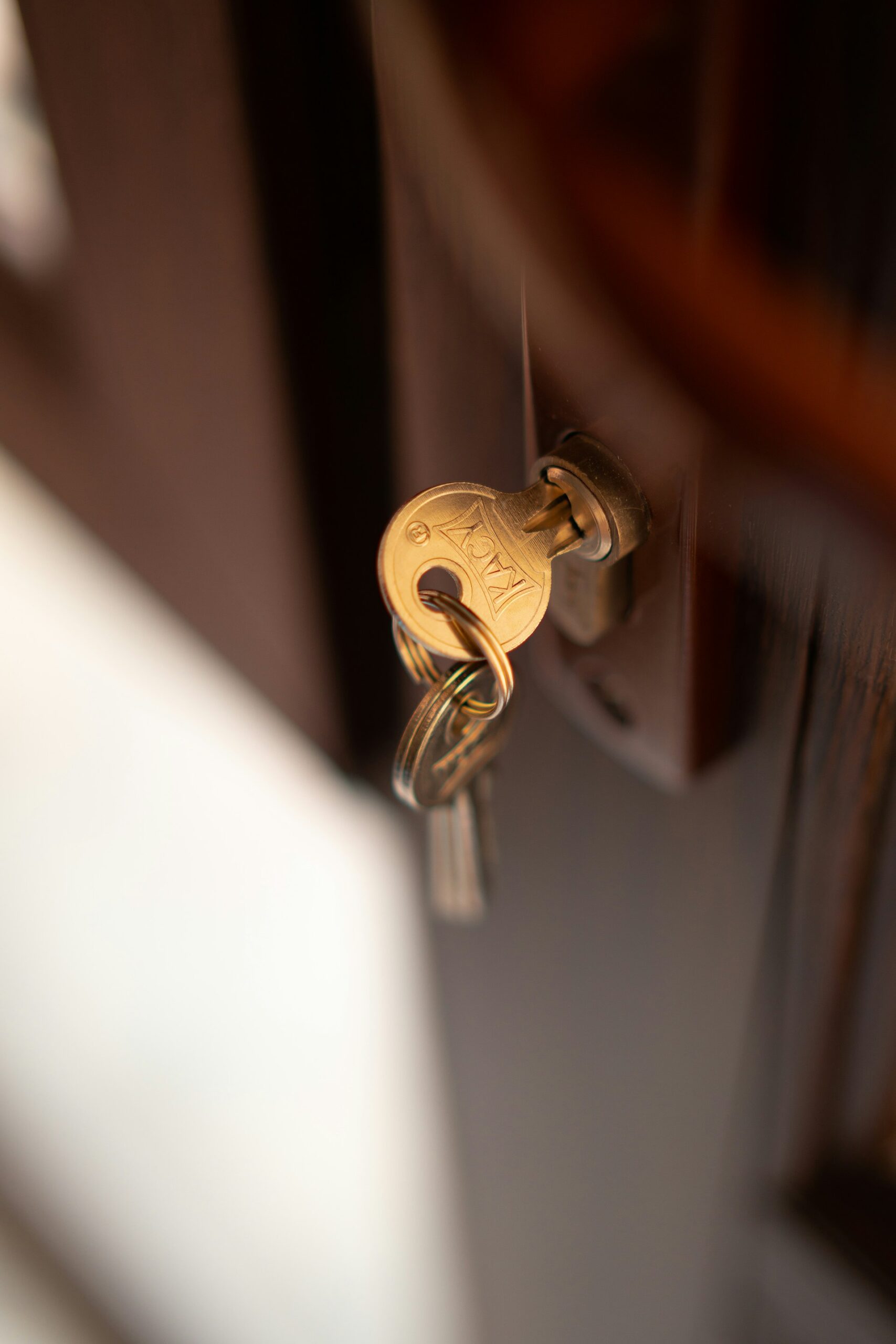
A brand-new key copy can fail even when it looks almost identical to the original. Common causes include a worn source key, the wrong blank, a small cutting error, rough edges, or a problem inside the lock. Car keys add another possibility: the blade may be correct, but the transponder chip still needs programming. Don’t force a key that binds or refuses to turn. That can damage the key, the cylinder, or both.
A duplicate is a reproduction of the key you provide, not a fresh version of its original factory measurements. That difference explains why a shiny new copy sometimes performs worse than the old key.
A New Key Can Copy an Old Key’s Wear
Most standard key duplicators trace the shape of the original. If that key has been used for years, its cuts may be rounded, shallow, or uneven. The machine can reproduce those worn measurements on the new blank.
The old key may still work because the lock and key have worn together. You may also have learned to lift, pull, or angle it slightly while turning. A rigid new copy doesn’t have the same polished wear pattern, so the lock may be less forgiving.
The problem grows when a duplicate is made from another duplicate. Each generation can introduce a small change in depth or spacing. One copy works, the next needs a wiggle, and a later copy may not turn at all.
When the original is heavily worn or bent, the better answer is often to decode the lock or cut from the correct key specifications instead of tracing it again.
The Wrong Key Blank May Look Almost Identical
A blank has to match the lock’s keyway, length, thickness, and stopping point. Two blanks can look almost identical but use different grooves or blade profiles.
The keyway is the shape that lets the blade enter the cylinder. If the profile is wrong, the copy may stop halfway, scrape along one side, or enter without turning. A blank that’s slightly too thick causes similar trouble.
Keys are also positioned differently during cutting. Some register from a shoulder near the head, while others align from the tip. Using the wrong blank or reference point shifts every cut away from where the lock expects it.
Some locks use common open keyways. Others use patented or restricted blanks that require controlled equipment or authorization. Schlage’s overview of key systems explains the difference between widely available open keyways and restricted systems that limit copying.
Small Cutting Errors Matter
Inside a pin-tumbler lock, the cuts raise small pin stacks to precise heights. When they line up at the cylinder’s shear line, the plug can rotate.
A difference that looks tiny can leave one pin too high or too low. The key may insert normally but refuse to turn. It might also work in one lock while failing in another that was supposed to use the same key.
Common causes include:
- The original wasn’t seated flat
- The blank shifted during cutting
- The machine needs calibration
- The cutting wheel is worn
- The original is already out of specification
- The blank was aligned from the wrong point
Still, cutting the same blank again won’t solve a repeated error unless someone identifies its cause.
Fresh Burrs Can Make the Key Feel Wrong
A newly cut key may have small metal burrs along its edges. These can make insertion feel rough or cause the blade to drag against the pins or wafers.
A finished duplicate should be brushed or deburred after cutting. It shouldn’t feel sharp along the blade.
Avoid filing the cuts yourself. Removing metal from the valleys changes the measurements that operate the lock. If the copy is hard to insert, compare it with the original and look for an unfinished edge, thicker blade, or shoulder that keeps it from seating fully.

The Lock Might Be the Real Problem
A new key copy not working doesn’t always mean the copy is wrong. The lock may be worn, dirty, damaged, or under pressure from the door.
Test the original first. If it has also become difficult to use, the cylinder needs attention. Sticking pins, corrosion, a loose plug, or internal wear can make a correct key unreliable.
For a deadbolt, test the key while the door is open. If it turns smoothly open but binds when the door is closed, the bolt and strike are probably misaligned. Door sag or a loose hinge can put pressure on the bolt. Another copy won’t correct that.
Try the new key in every lock the original operates. If it works in one but not another, the issue may be wear or slight pinning differences between cylinders that were once keyed alike.
Don’t spray cooking oil or heavy household lubricant into a lock. Those products collect debris. The Locksmith Crew provides residential locksmith service in Tampa Bay, including lock repair and rekeying when the cylinder or door is causing the trouble.
A Car Key Has Two Jobs
A modern car key may have a correctly cut blade and still fail to start the vehicle.
The blade handles the mechanical part. It may unlock the door and turn the ignition. The transponder chip handles electronic authorization. If the car doesn’t recognize the chip, the engine may refuse to start or display a security warning.
Copying the metal blade doesn’t copy the chip’s programming. The replacement needs the correct transponder and must be programmed to the immobilizer. Remote buttons may use a separate process.
The symptoms narrow down the problem:
- If the key won’t enter or turn, check the blank and cut
- If it turns but won’t start the engine, check the transponder
- If it starts the car but the buttons fail, check remote programming or the battery
- If the original also binds, inspect the ignition cylinder
The Locksmith Crew provides automotive key cutting and programming for many makes and models across Tampa Bay. The vehicle year, make, model, VIN, identification, and proof of ownership are generally needed.
What to Check Before Returning the Key
A few tests give the locksmith or key technician useful information:
- Stop if the key requires heavy force
- Test the original in the same lock
- Try a door lock with the door open
- Notice whether the copy inserts fully
- Compare the grooves, shoulder, tip, and thickness
- Check whether it fails in one lock or every lock
- For a car, note whether it opens the door, turns the ignition, and starts
Bring the original, the failed copy, and any other working keys. If several doors are involved, explain which key works where. For a vehicle, bring every programmed key you still have because some procedures affect the full key list.
Avoid repeatedly twisting a key that binds. Brass blades can bend or snap inside the cylinder.
When Recutting the Copy Isn’t Enough
If the original is badly worn, another traced duplicate may repeat the same problem. A locksmith may need to originate a better key by decoding the cylinder or using manufacturer key data where available.
A worn home or business cylinder may need rekeying, repair, or replacement. Commercial properties may also use restricted systems that require an authorized blank and documented permission. The Locksmith Crew’s commercial lock and key service covers rekeying, master key systems, and access issues for Tampa Bay businesses.
Getting a Key That Works Properly
A good duplicate should insert fully, turn without unusual pressure, and operate every lock it was meant to open. The right correction depends on whether the problem came from the source key, the blank, the cut, the lock, or the vehicle’s electronics.
The Locksmith Crew can compare the keys, inspect the lock, and determine whether the key should be recut, originated from code, programmed, or replaced along with worn hardware. To have the problem checked at your home, business, or vehicle, request locksmith service and describe exactly what the original and new key do.